
Hydrant Connector Systems
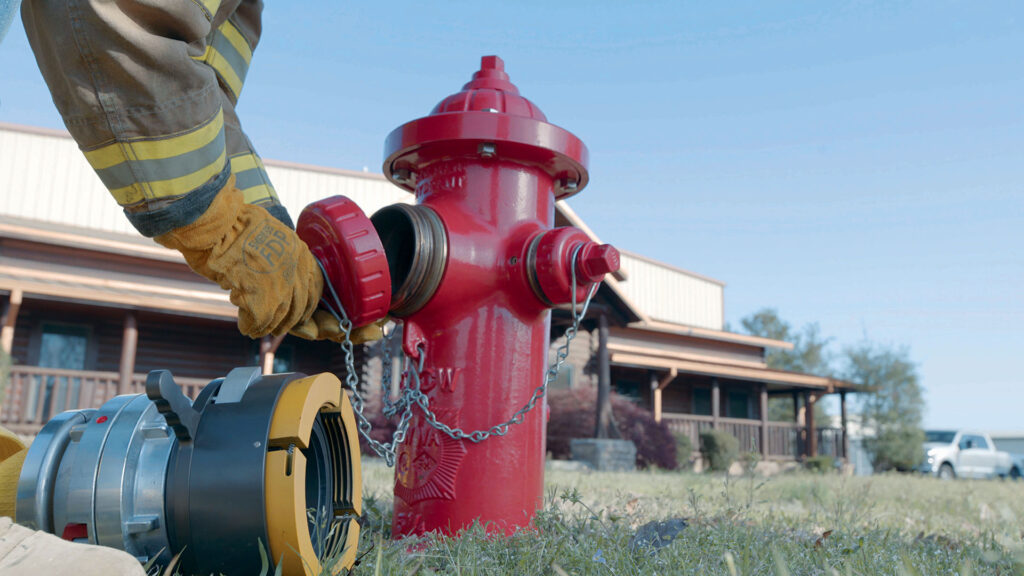
Hydrant Work Isn't Always an Emergency — And It Shouldn't Be Treated Like One
Most hydrant connections a city ever makes aren’t during a fire. They happen during routine flushing, scheduled flow testing, and ongoing maintenance — work that city water departments and utility crews carry out year-round, hydrant after hydrant, often on a tight recurring schedule. That kind of work has its own demands: not just speed, but consistency across hundreds of repetitions, minimal wear on aging infrastructure, and a process simple enough that any crew member gets the same result.
Hy-Conn’s hydrant connector system runs on the same patented locking technology fire departments use, but it’s built around what a municipal crew actually needs day to day.
What Happens to Threads After the Hundredth Connection
Flushing and testing programs mean connecting and disconnecting from dozens of hydrants — sometimes hundreds — in a single day, on a schedule that repeats every season. Threaded fittings wear under that kind of repetition, gradually stripping the threads on the hydrant outlet itself and taking more effort to seat correctly each time. Multiply that across a municipal system and it becomes a real maintenance line item, along with crews losing time to increasingly worn threads.
A connection that locks mechanically instead of through friction sidesteps that wear altogether. The hydrant outlet isn’t taking on gradual thread damage the way it does under years of threaded use, which extends the life of infrastructure that’s usually expensive and slow to replace.
More Hydrants Covered, Same Shift Length
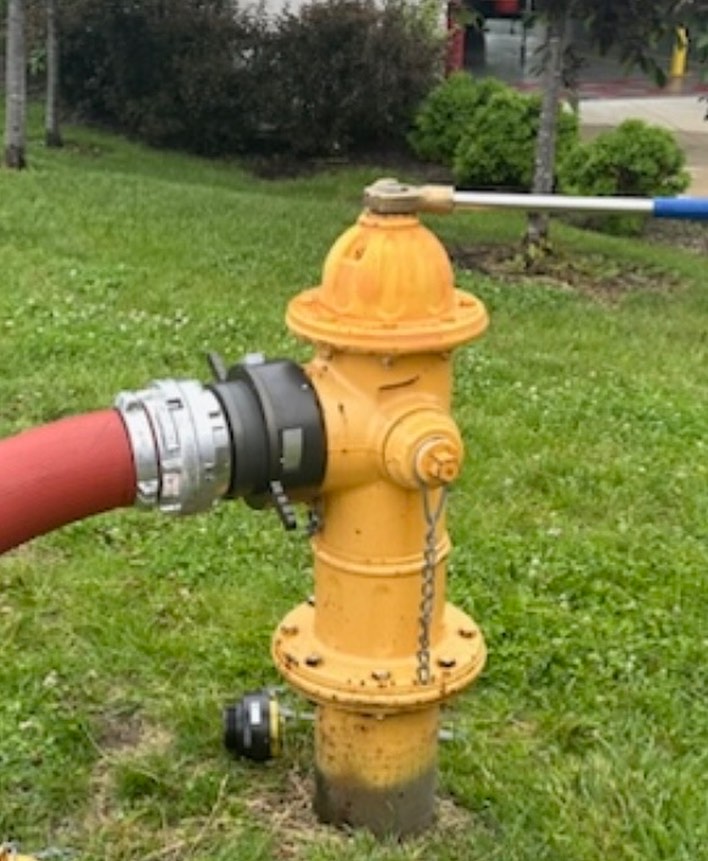
Municipal crews are almost always working against a clock — a mandated annual flushing schedule, a compliance testing window, or just trying to keep pace with a service area that’s grown. Every extra thirty seconds spent threading a fitting at each stop adds up fast across a full route. Cutting that time out means a crew can get through more hydrants in the same shift without cutting corners on documentation or procedure.
It also cuts down on physical wear for the crew itself — connecting and disconnecting all day is repetitive work, and removing the twisting motion threaded fittings require meaningfully reduces the wrist and shoulder strain that builds up over a long route.
The Same Result No Matter Who's Running the Route
Crews rotate. Shifts change. And with threaded fittings, connection quality can vary depending on who’s making it on a given day. A mechanical lock removes that variable entirely — an experienced fifteen-year crew member and someone on their first week get the identical secure connection, which matters when compliance testing depends on documentation being consistent and when new hires need to be productive without a long ramp-up.
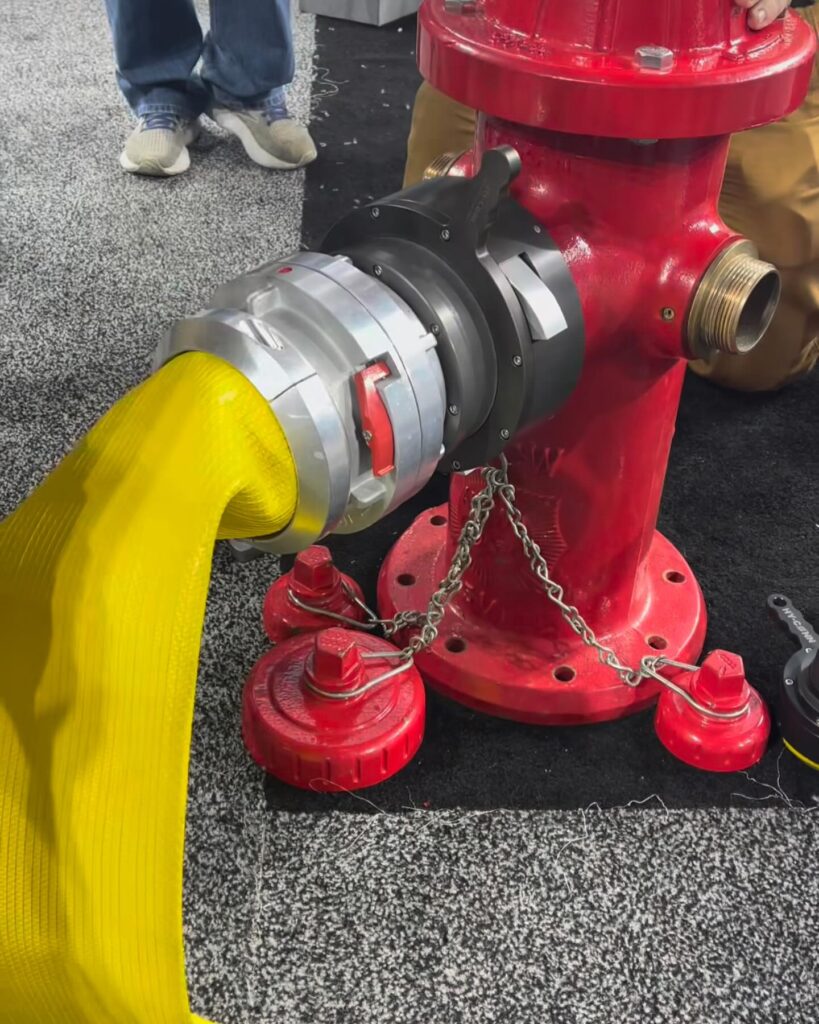
Built for Volume, Not Occasional Use
A fire department might use a hydrant connector during a response and periodic drills. A municipal crew might use the same fitting dozens of times in a single week. This system is manufactured from corrosion-resistant materials to tolerances built for that volume, so the locking mechanism and seal don’t degrade the way threaded hardware does under sustained daily use — backed by a 3-year limited warranty and direct access to Hy-Conn’s own support team once a unit is registered.
Working With Infrastructure You Already Have
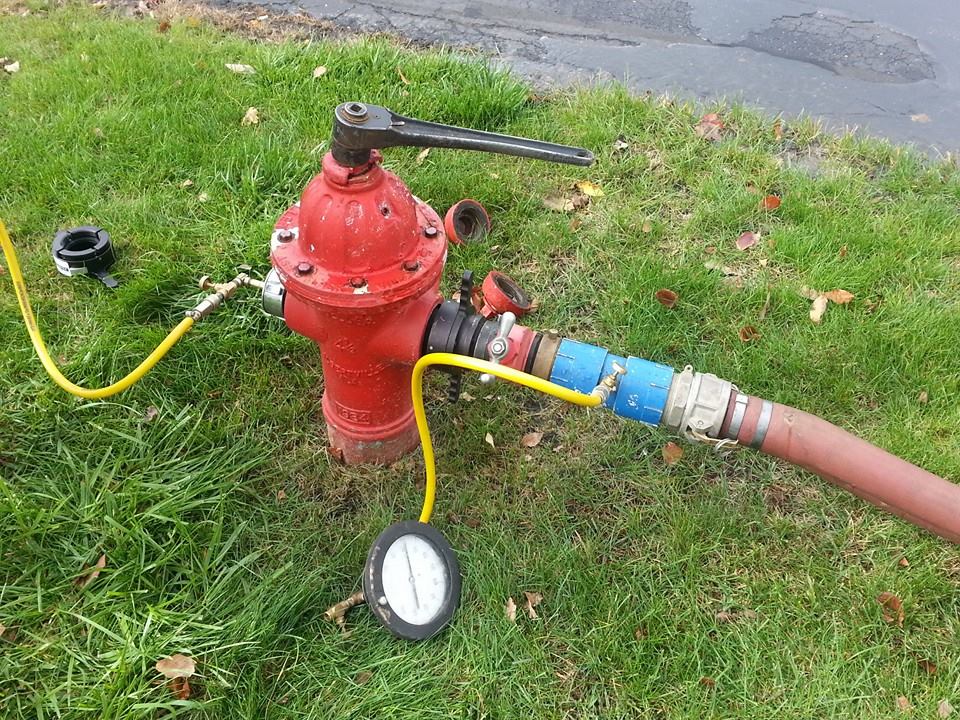
Municipal hydrant systems are often a patchwork — installed across decades, with thread standards that can vary even within a single service area. Hy-Conn covers more than 300 thread configurations in active use across the U.S. and Canada, and we machine custom options for legacy hydrants that fall outside the common patterns, so a utility department doesn’t have to standardize its hardware just to adopt a better connector.
Data You Can Actually Trust
Flow testing and flushing programs live and die on accurate readings, and a connector that leaks or drops pressure at the coupling can quietly compromise the numbers a municipality uses for infrastructure planning and compliance reporting. The sealing surfaces here hold a consistent, leak-free connection across the full pressure range these programs involve.
Ready to Cover More Ground on Your Flushing Schedule?
Whether you’re running a citywide program or managing a smaller district’s testing cycle, Hy-Conn can help your crews move faster with less wear on your infrastructure. Contact Hy-Conn for municipal pricing, thread compatibility, or a quote.