
Fire Hose Quick Connect System
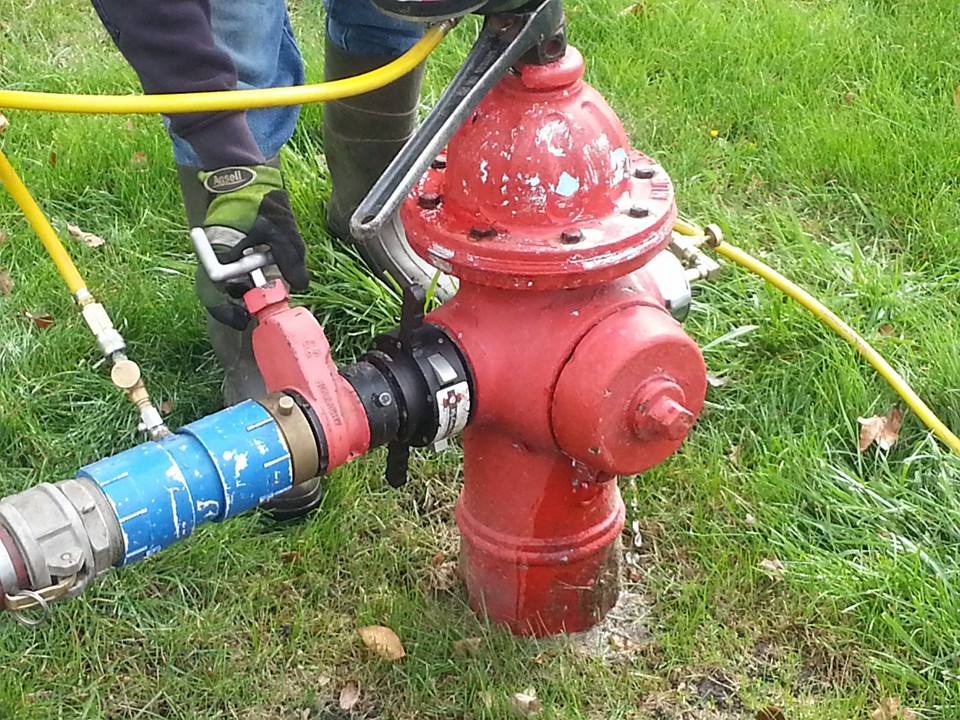
The Seconds Before Water Flows Are the Seconds That Matter Most
There’s a window between an engine arriving and water actually hitting the fire, and everything a crew does in that window is under pressure. Threading a hose coupling was never designed to happen fast, or with gloves on, or in zero visibility — but that’s exactly the condition it’s usually attempted in. Hy-Conn’s Fire Hose Quick Connect System was built to close that window, not shrink it a little.
This isn’t the hydrant adapter repackaged for a different audience. It’s a system built around what happens specifically during active fireground operations — under stress, without time to look twice, and with no room for a connection that hesitates.
Why a Few Seconds Here Is Different From a Few Seconds Anywhere Else
Take those same few seconds somewhere else and they’re negligible. On a fireground, they compound — a charged line that’s thirty seconds slow can be the difference between a fire contained to one room and a fire that’s moved past it. The quick connect removes the alignment and rotation a threaded coupling demands, so the moment a firefighter reaches the connection, they’re already moving to the next task instead of fighting with the fitting.
Crews that have switched report measurably faster water-on-fire times during initial attack, and fewer bottlenecks when several lines are going in at once during a bigger response.
Reliable Even When You Can't See What You're Doing
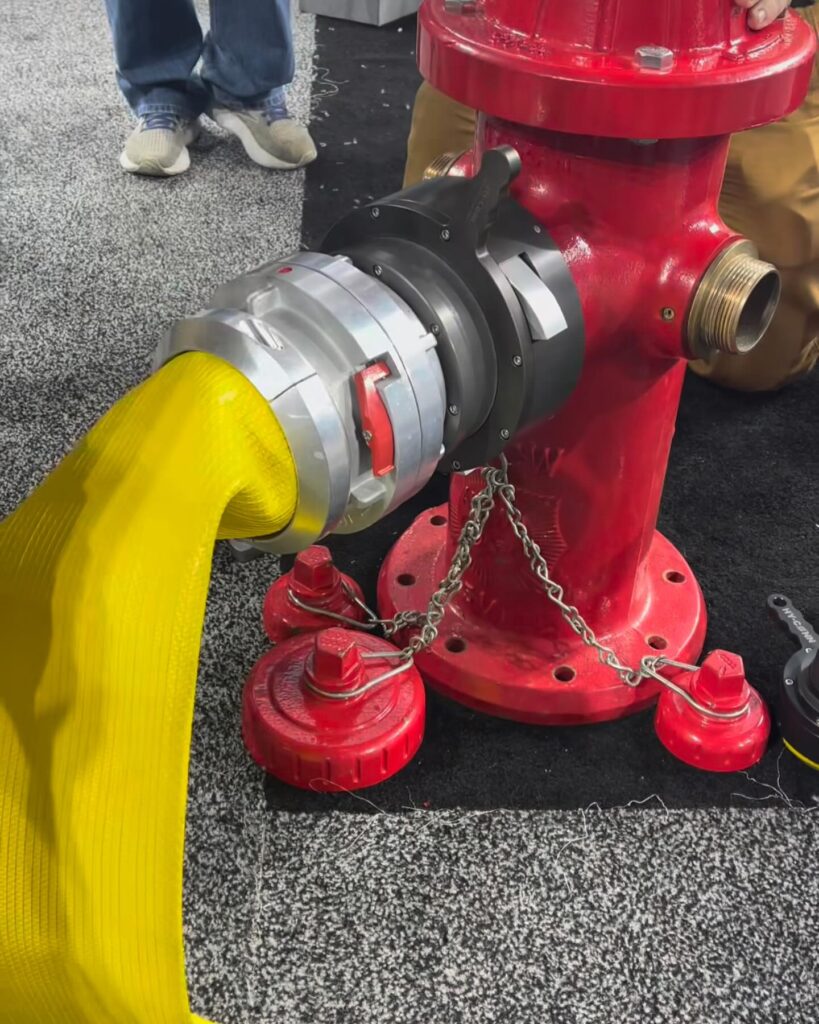
Smoke, standing water, low light, debris underfoot — none of that is the exception on a real fireground, it’s the norm. Equipment that only works well under clean conditions is equipment that fails at the exact moment it’s needed most. This system is built to engage by feel: a clear mechanical click confirms the lock without requiring a visual check. Disconnection is just as clean, releasing without binding even after the line’s been charged and run hard.
Less Wear on the People Making the Connection
Threaded couplings put real, repetitive strain on wrists and shoulders, and that adds up over a twenty-year career of drills and incidents. Cutting torque and twisting out of the equation isn’t cosmetic — it’s an injury reduction that departments are increasingly weighing when they evaluate new gear. It also levels the playing field between a rookie and a veteran: both get the identical secure connection, every time, which matters a lot when crews from different departments are working the same scene under mutual aid.
One System, Every Rig, No Guessing
The bigger win of standardizing on a connection system, rather than a single fitting, is what it does across an entire response network. When a whole department — or better, a whole mutual aid region — runs the same system, every truck, every hydrant, and every hose line becomes interchangeable on arrival. That kills the confusion of mismatched threads mid-incident, and it simplifies training since new firefighters learn one method instead of a set of exceptions per rig.
Holding a Seal Through Sustained Flow
Speed doesn’t count for much if the coupling leaks once the line is charged. The sealing surfaces here are machined to distribute pressure evenly across the entire interface, holding through charging, sustained flow, and shutdown alike — which means no slow leak eating into pump pressure mid-incident, the way a worn threaded coupling often does.
Durable Enough for Repeated High-Stress Cycles
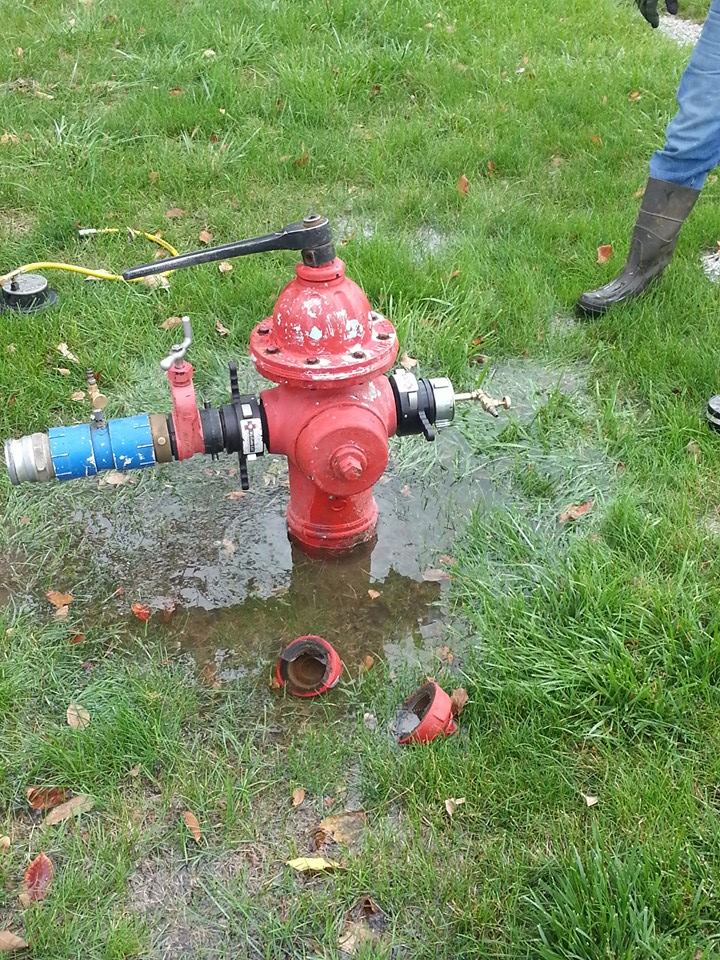
Hose connections take a beating over a career of drills and calls, and this system is built from corrosion-resistant materials machined to hold performance over years of active use. For departments running large hose inventories through frequent training cycles, that durability means fewer field failures and fewer replacement purchases compared to threaded gear that visibly degrades.
Get Water Moving Faster on Your Next Response
Departments that make the switch stop losing time to threading and start moving straight to the fire. Contact Hy-Conn for fireground configurations, compatibility details, or a quote for your apparatus.