
Fire Department Hose Connection Equipment
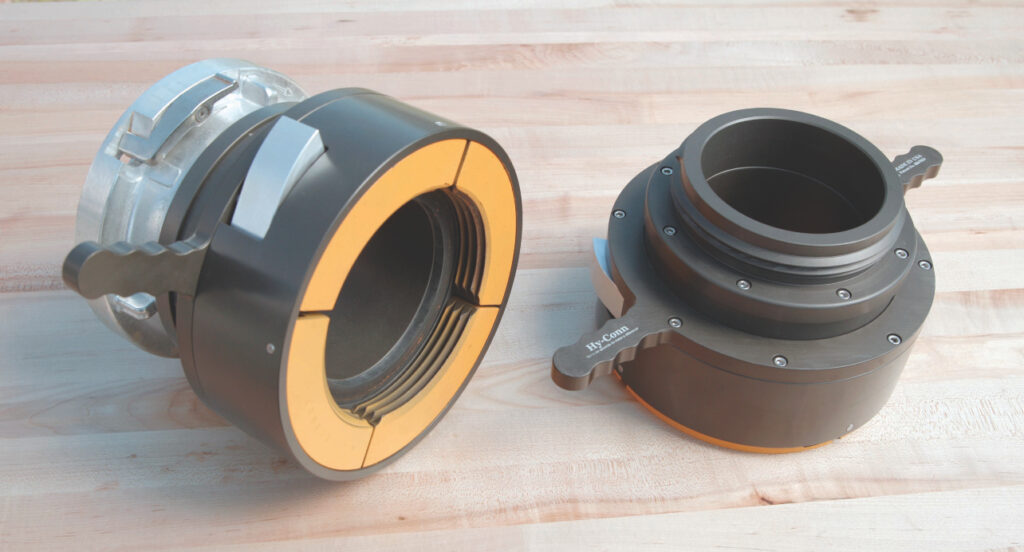
An Equipment Decision That Touches the Whole Department
Replacing hose connection hardware isn’t a call one firefighter makes on their own. It’s a fleet-wide investment that runs through the procurement budget, the training calendar, apparatus standardization, and years of maintenance costs down the line — which means it needs a different kind of evaluation than a single product spec sheet usually provides. Fire chiefs, purchasing officers, and training coordinators are asking a broader question than “does it work”: they’re asking how it fits the department’s operational and financial reality over the long haul.
Hy-Conn works directly with departments of every size — volunteer companies through large metro agencies — on exactly this kind of evaluation.
The Cost of Mismatched Equipment Across a Fleet
One of the more expensive blind spots in fire service procurement is inconsistency: different rigs carrying different connection hardware, or a phased upgrade that leaves some apparatus threaded while others aren’t. That gap forces crews to train on multiple systems and creates compatibility headaches the moment mutual aid units show up on the same scene. Standardizing a single connection system across the whole fleet removes that problem outright — every apparatus works with every hydrant and every other unit without a second thought.
Because Hy-Conn covers more than 300 thread types, departments can roll out the transition in phases rather than replacing an entire fleet’s hardware at once, which matters when the budget doesn’t allow for a single large purchase.
What This Actually Costs Over Time
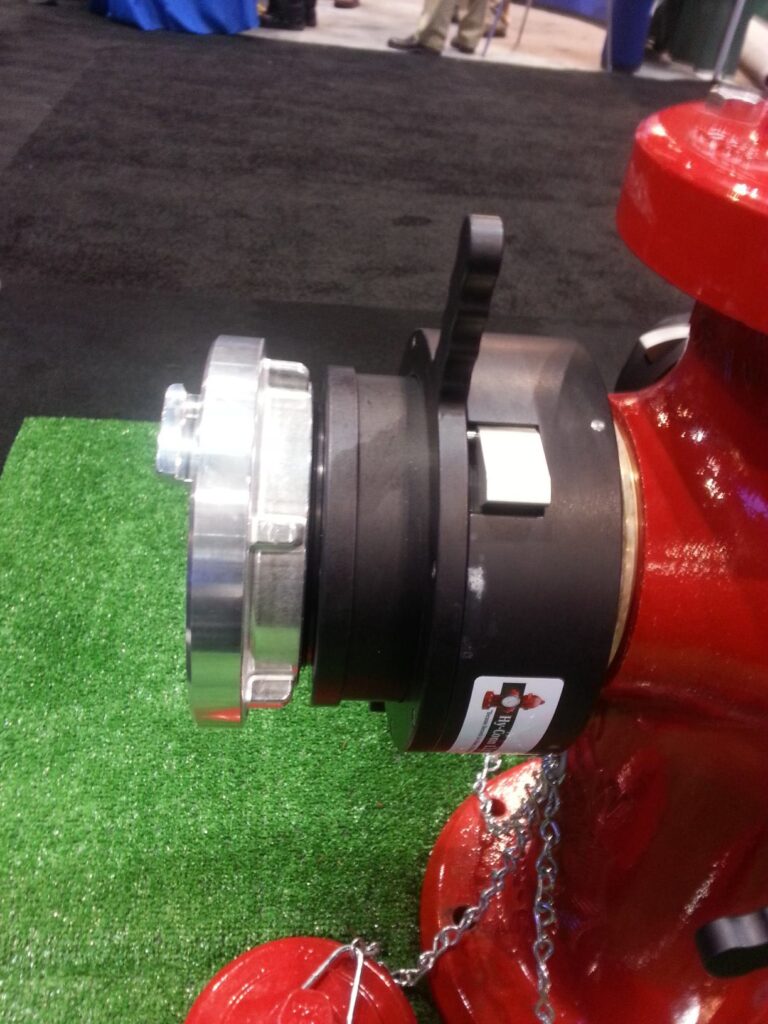
Equipment purchasing in the fire service is rarely just about the sticker price. Departments have to account for replacement frequency, ongoing maintenance, and what an equipment failure in the field actually costs when it happens. Threaded connections wear down over years of use, needing more force to seat correctly as they age and eventually failing before most budget cycles expect it.
A connection that doesn’t rely on thread friction wears far more slowly, which stretches replacement cycles and cuts down on unplanned purchases. Add the 3-year limited warranty on every unit, and departments get a cost structure that’s actually predictable when they’re planning capital budgets or writing grant applications.
How Much Training a Rollout Actually Requires
Any new equipment brings a training question with it, and departments want a real answer before they commit. There are no tools and no thread patterns to memorize with this system — training time runs in minutes, not full drill sessions, and a brand-new recruit gets the same secure connection on the first try as a twenty-year veteran. That matters even more for departments leaning on volunteer or part-time staff, where training hours are limited and equipment has to be intuitive under real stress, not just in a classroom.
Why Regional Coordination Matters Here
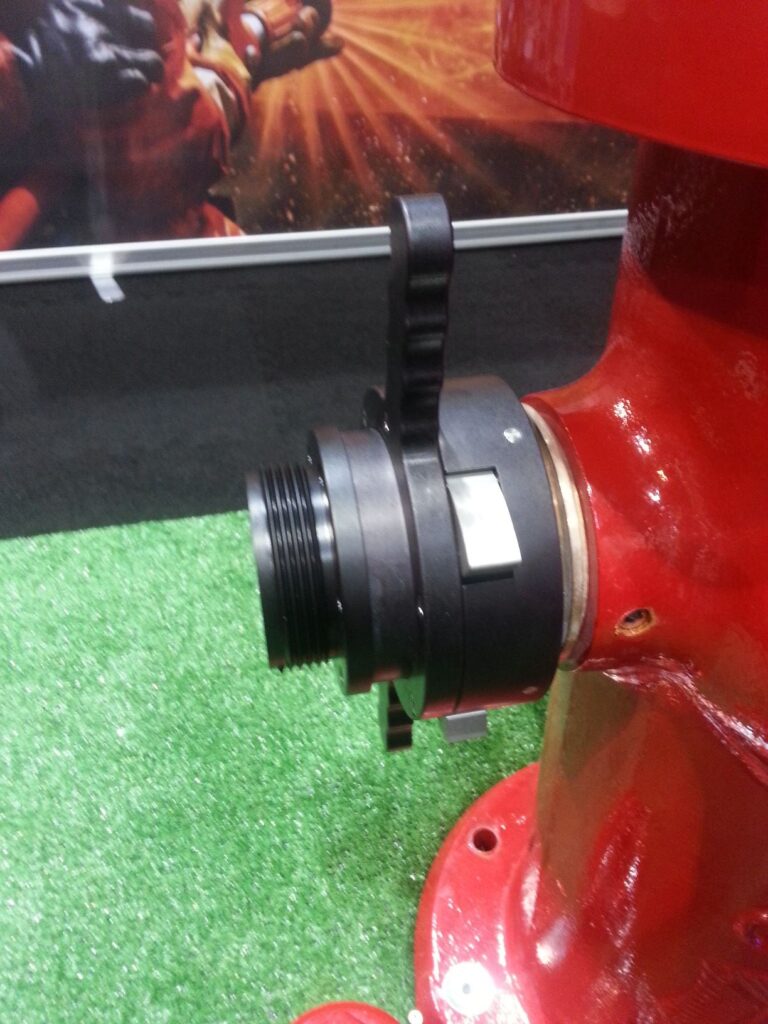
No department operates in a vacuum. Mutual aid means one agency’s equipment choice affects how well its crews work alongside neighboring departments on a shared incident. When several departments in the same region standardize on compatible hose connection hardware, water supply operations on larger or extended incidents get dramatically simpler — crews aren’t sorting out mismatched threads while the incident is still active. Worth factoring in what neighboring agencies are doing before finalizing a purchase.
Support That Doesn't End at the Sale
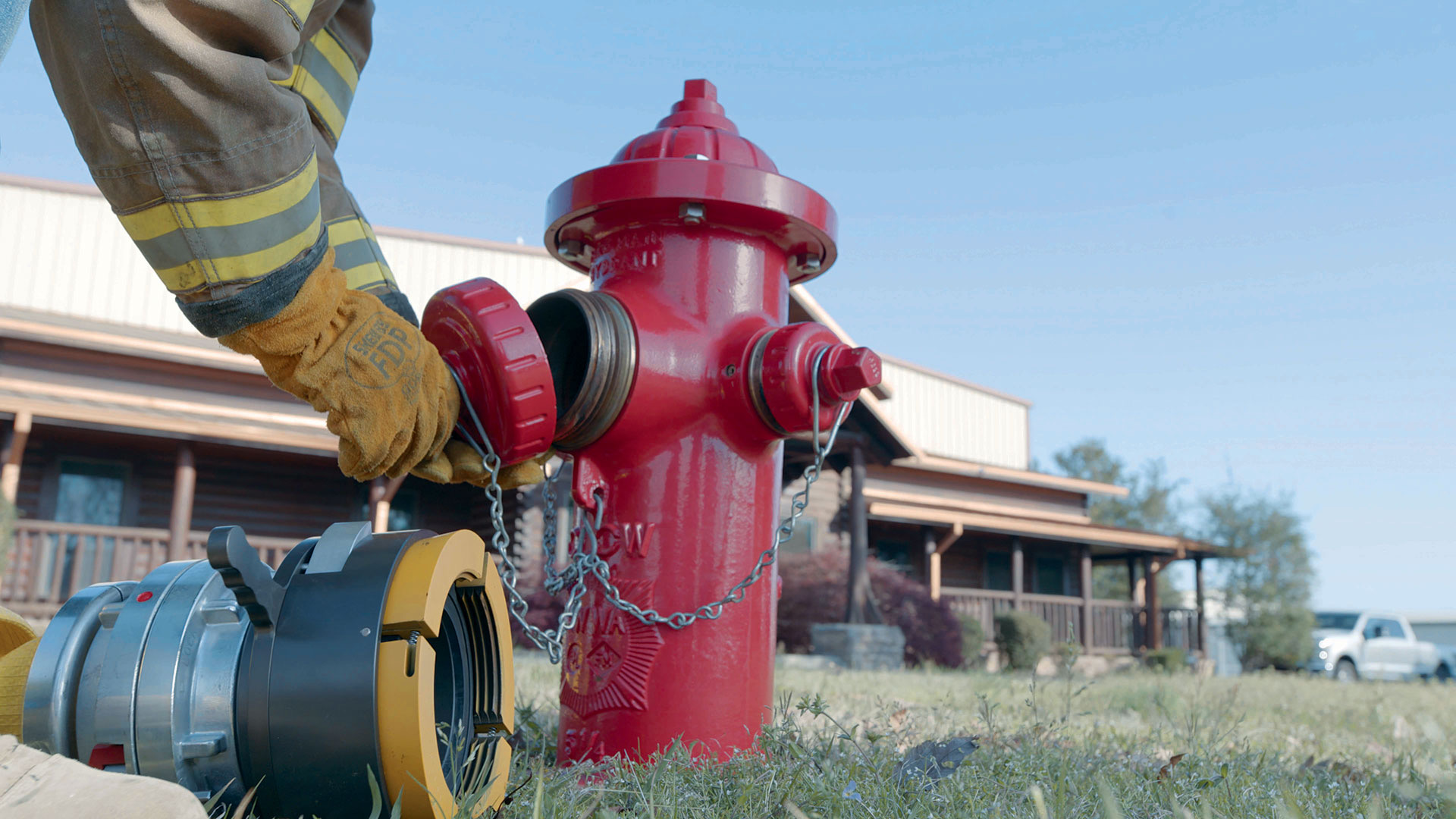
A department needs to know what happens after the invoice is paid, not just what the spec sheet promises. Every unit carries a 3-year limited warranty (main gasket excluded), and registering equipment connects a department directly to Hy-Conn’s own team rather than a generic support line — which matters when questions come up two or three years into a fleet-wide rollout, not just in the first month.
Built Domestically, Consistent Long-Term
Every fitting is CNC-machined and assembled in-house at our Arkansas facility, with nothing outsourced overseas. For departments planning a multi-year rollout, that means a unit purchased in year one performs identically to one purchased in year three — no supply chain surprises partway through.
Let's Talk Through Your Department's Rollout
Whether you’re planning a phased upgrade, prepping a grant application, or comparing options for the next budget cycle, we can walk through compatibility, pricing, and rollout planning together. Contact Hy-Conn to set up a department consultation or request a formal quote.